Accurate weighing = maximizing revenue: selecting the right scale for precious ores
Mining owners and factory owners, beware!
When purchasing and selling precious metals, any inaccuracy in the weighing equipment will directly reduce your profits!
Platform scales, platform scales, large weighbridges, belt scales… Choosing the right weighing equipment is crucial.
Choosing weighing equipment for precious mineral products such as gold, platinum group metals, rare earths, high-grade ores, or concentrates is a crucial decision that demands the utmost precision, reliability, and safety. A wrong choice can lead to economic losses at the very least, and potentially result in trade disputes and hidden safety hazards at worst.
Below, we have outlined a systematic selection guide and core considerations for you:
- Accuracy comes first: Weighing errors must be minimized, as they directly affect value accounting.
- Reliability and stability: The equipment needs to operate stably for a long period of time, with reduced malfunctions and drifts.
- Anti-cheating and security: Prevent internal and external tampering and theft.
- Compliance: It complies with the national Metrology Law and the mandatory verification requirements for trade settlement.
- Environmental adaptability: It can adapt to on-site environments such as mines, smelting plants, and warehouses (with dust, humidity, vibration, etc.).
Key equipment types and applicable scenarios
| Equipment type | Typical range and accuracy | Main application scenarios | Advantages | Precautions |
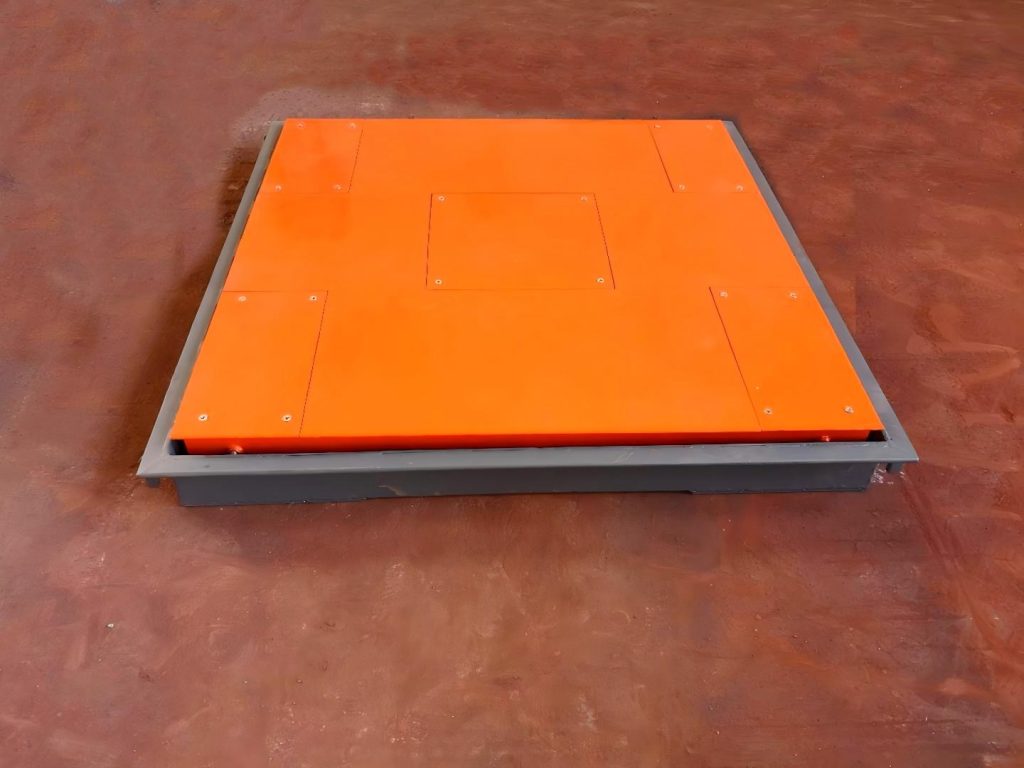
| High-precision platform scale | 500kg-5 tons | Trade settlement for small-sized precious metal ores, gemstone raw materials, and small batches of high-value concentrate. | High accuracy and good stability. | Regularly verified by official metrology departments. |
| High-precision truck scale | 10-200 tons | Weighing trucks and containers transporting precious metal ores or concentrates. | Achieves whole-vehicle metering for high-volume, high-value goods. | The scale must have a very high resolution (n) to ensure that changes in kilograms or even smaller units can still be distinguished when weighing tens of tons. |
| Belt scale | Continuous metering | Continuous metering of precious metal ores during transportation (such as from the warehouse to the processing line). | Real-time monitoring, high degree of automation integration. | Accuracy is relatively lower than static scales, requiring frequent calibration and maintenance, and is typically used for process control rather than final settlement. |
Technical points that must be considered during selection
Sensor type and accuracy level
- Preferred high-precision sensors: such as high-resolution strain sensors
- Accuracy level: Check the verification scale interval (e) and the actual number of scales (n). For valuable items, the e value should be as small as possible, and the n value should be as large as possible. For example, the scale used for settlement should be selected as Level III or above, and n should be ≥3000.
Resolution and repeatability
- Resolution: The minimum weight change that the device can display. It must meet your precise requirements for the minimum transaction unit (such as grams).
- Repeatability: The consistency of results obtained from weighing the same item multiple times. This is more important than single-shot accuracy and directly reflects the reliability of the equipment.
Structural design and protection
- Material: The weighing platform and sensor should be corrosion-resistant and moisture-proof, suitable for use in mining or smelting environments.
- Protection level (IP): Instruments and sensors should meet IP65 or higher standards, ensuring dust and water resistance.
- Explosion-proof requirements: If used in environments where flammable dust or gas may be present (such as certain concentrate processing workshops), explosion-proof (Ex) certified equipment should be selected.
- Scale structure: