
Where to Install Belt Scales: A 101 Guide for Stable & Precise Weighing
Choosing where to install belt scales is critical for accurate, reliable weighing. The improper location leads to mistakes, downtime, and unreliable data, while the right one sets the stage for smooth operations.
We’ll talk about getting ready for installation, where to put the core, the best places to put it, advice for various industries, checks to do after installation, and frequently asked questions. By the end, you’ll know how to choose a place that makes sure the weighing is always accurate.
Pre-Installation Prep for Belt Scales Installation
Before you even start looking for places to put belt scales, you need to do some planning. If you skip these steps, you can choose the wrong spot, which will make your weighing less accurate. Let’s go over the most important things to do to get ready.
Clarify Conveyor Belt Parameters
The specs of your conveyor have a direct effect on where you can put belt scales. Start by writing down the belt’s speed (how fast it moves), breadth (how wide it is), maximum load capacity (how much stuff it can carry), and angle (whether it’s horizontal or slanted). These facts can help you choose which places are possible. For instance, a fast-moving, heavily loaded belt needs a more sturdy place to be installed than a slow-moving, light-duty one.
Analyze the On-Site Environment
The area around your conveyor is very important for the success of installing belt scales. Check for vibration (from nearby machinery like crushers or motors), extreme temperatures (like hot clinker in cement plants or cold storage in food processing), humidity (high moisture can damage parts), dust (common in mining and cement), and corrosive substances (like cleaners in food plants or chemicals in industrial settings). All of these things will affect which place is ideal. You should steer clear of places with too much meddling.
Define Your Weighing Requirements
What do you want your belt scale to do? Your choice of location will depend on your accuracy goals (for example, a 0.5% or 1% error margin), whether you need to weigh things all the time (24 hours a day, seven days a week), and whether you need to transfer data to a central system. If you require very accurate measurements, for instance, you’ll need a more sturdy place than if you merely need rough guesses. This clarity makes sure that your belt scales installation meets your business needs.
Follow Relevant Standards and Guidelines
Don’t forget about the rules for installing conveyor and weighing equipment in your field. These rules are meant to make sure that everyone is safe and follows the rules. Not only do they assist you in picking the best place to put your belt scales, but they also keep you from getting fines or having problems with your business later on. For relevant standards, check with groups like the International Organization of Legal Metrology (OIML) or your local industry groups.
Core Principles for Choosing Where to Install Belt Scales
When choosing where to install belt scales, keep these basic rules in mind. These are the most important rules for making fewer mistakes and getting things right, no matter what field you’re in.
Choose a Stable Conveyor Section
The most important rule is to put belt scales on a region of the conveyor that is stable. Stay away from places where there is too much vibration, the belt is out of line, or the tension varies too quickly. Because of these problems, the belt moves unevenly, which makes weighing inconsistent. Find parts of the conveyor that run smoothly, with little movement in the frame or belt.
Ensure Uniform Material Distribution
Belt scales need the material to be spread out evenly in order to give reliable readings. Your measurements will be wrong if there is too much material on one side or not enough in some places at the installation site. Pick a position on the belt where the material has had time to settle—well after the loading point—so that it is uniformly spread out across the breadth of the belt.
Prioritize Sufficient Straight Running Length
To work right, belt scales need a straight belt that is long enough before and after the scale. This provides the belt time to settle down after making a turn or changing direction. For the most part, you should try to get 3 to 5 times the belt diameter of straight length both upstream and downstream of the scale. This keeps the belt running smoothly across the scale and cuts down on changes in tension.
Avoid External Interference
Things outside of your control can mess up the accuracy of your belt scales installation. Keep the scale away from motors and gearboxes (which make it vibrate), worn idlers (which make the belt travel unevenly), and places where you load and unload stuff (where the impact can mess up the belt). The more space you can put between yourself and these sources of disturbance, the better your weighing findings will be.
Leave Room for Maintenance and Calibration
You should check, clean, and calibrate your belt scales on a regular basis. Pick a place where the scale has ample room for technicians to work. If the space is too small, it will be hard (and maybe impossible) to provide maintenance, which will cause accuracy to drop over time. This is an important but often-overlooked part of making sure belt scales work well in the long term.
Recommended Optimal Locations for Belt Scales Installation
Now that you know the basics, let’s look at the best places to put belt scales. You will need to match each one to the layout and needs of your site because they all have their own strengths and cons.
Horizontal Straight Sections
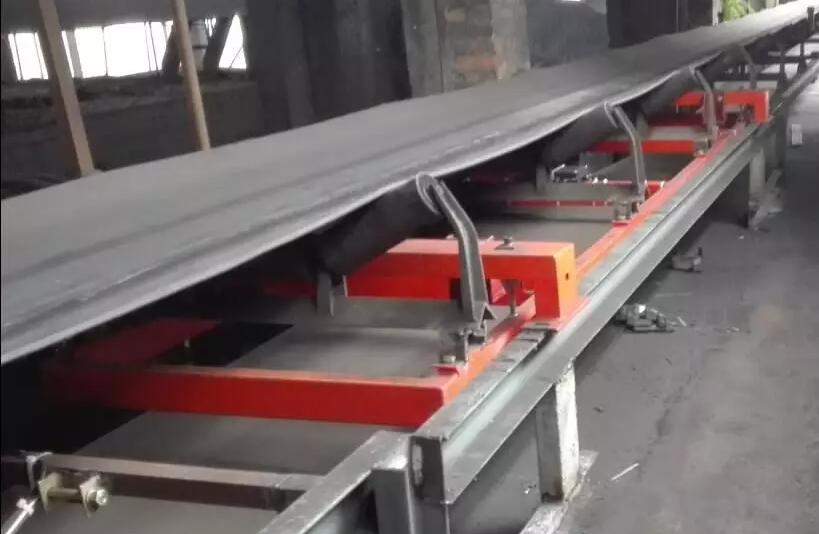
The horizontal straight section of a conveyor is the gold standard for belt scales installation:
| Pros | Cons | Ideal Scenarios |
| Most stable operation; minimal tension changes; no material sliding; highest accuracy | Site layout limitations; requires 3-5x belt diameter straight length | Mining, cement, and most industrial systems (precision-critical) |
If your site has a horizontal straight section that meets the length requirements, this should be your first choice for where to install belt scales.
Inclined Conveyor Sections
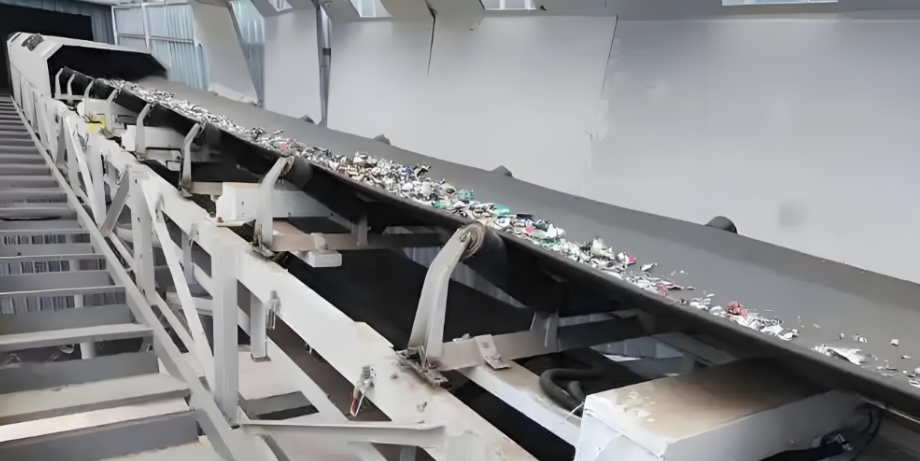
Inclined conveyor sections can be used to put belt scales where there isn’t much horizontal room, but they require additional thought. This is what you need to know:
| Pros | Cons | Key Notes |
| Flexible for tight spaces; uses vertical space efficiently | Material sliding risk; higher demand for stable belt tension | Incline <15°; add anti-slip measures; ensure stable tension |
Locations Away from Special Components
No matter which main section you choose, keep the scale away from interference sources for successful belt scales installation. Key requirements:
- ≥2-3 meters from motors/gearboxes (vibration avoidance)
- Avoid belt joints and idler supports (localized tension changes)
- ≥5x belt diameter from material drop points (allow material settling)
Industry-Specific Recommendations for Where to Install Belt Scales
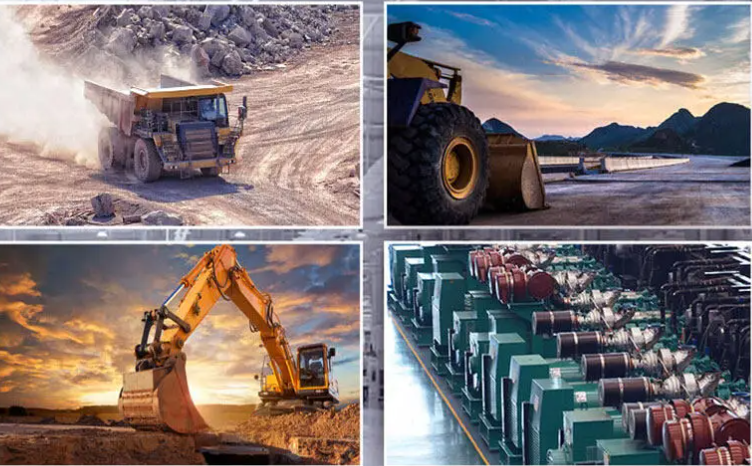
Every industry has its own problems, therefore be sure to choose the right place to install your belt scales for your business:
Mining Industry
Pick straight, horizontal parts of ore conveyors that are far away from crushers and vibrating screens, which are key sources of vibration. Best for weighing hefty, dense materials.
Logistics and Warehousing
Put them close to the ends of the conveyor where they drop off (pre-sorting). Makes ensuring that materials are spread out evenly and provide real-time weight data for sorting and inventory.
Cement Industry
Use heat-resistant belt scales in low-dust clinker conveyor sections. Avoid kiln areas (extreme heat); prioritize horizontal straight sections.
Food Processing Industry
Put it in clean, dry places that aren’t near washdown regions. Pick horizontal parts to keep things from sliding, and make sure they are easy to clean to meet hygiene standards.
Post-Installation Verification for Belt Scales Installation
Before you install belt scales, be sure the position is good for getting reliable readings. Do these things:
Test Run Inspection
Do a test run to make sure the belt is stable (no vibration or misalignment) and that the data is changing. A location is troublesome if it has strange movement or data that doesn’t make sense.
Accuracy Calibration
Calibrate with standard weights. Compare scale readings to actual weights—exceeding your accuracy margin means the installation location is flawed.
Adjustment Measures
If calibration doesn’t work, move the scale away from the vibration, add anti-vibration mounts, or change the idlers to make the belt more stable. Small changes often fix problems with accuracy.
Conclusion
Choosing the ideal place to install belt scales depends on the layout of the site, the specs of the conveyor, the environment, and the weighing needs. The best place is usually a straight, level section that is long enough and far enough away from anything that could impede. You can stay accurate even in confined areas or difficult settings if you follow basic rules and professional advice.
Keep in mind that there is no one-size-fits-all answer. Get ready well, check out a few places, and double-check after installation. This saves you time and money and makes sure your belt scale is a useful tool.
FAQ
Q1: Can belt scales be installed near conveyor heads/tails?
A: Not recommended (high tension changes/vibration). If necessary, keep ≥5x belt diameter straight length from head/tail; calibrate frequently.
Q2: What’s the minimum straight belt length for installation?
A: 3-5x belt diameter (upstream and downstream). Ensures belt stabilization and even material distribution.
Q3: How to choose a location in narrow spaces?
A: Use inclined sections (<15°, anti-slip); opt for compact scale models; adjust conveyor layout for short straight sections; or use portable scales (lower accuracy).
Q4: Do seasonal temperature changes affect location suitability?
A: Yes (frame expansion/contraction, tension shifts). Mitigate: choose consistent-temperature areas; insulate frames; calibrate more during temperature swings.
